Launching the following paper analyzes an methods with explosion-proof devices across commercial workspaces.
Running securely alongside perilous places particularly refinery plants entails tailored implements for the purpose of prevent conceivable accidents. Flame-proof lighting devices are critical units in equivalent zones, crafted to absorb discharges, flammable emissions, and explosive zones. Different tools are not originally protected; in contrast they are assembled to hold back any contained ignition or burst and block it from generating a greater eruption in the neighboring space. This explanation supplies significant intelligence about explosion-proof lighting, their functions, and hazard prevention elements for installing them accurately.
Interpreting Explosion Proof Lighting Standards
Managing specific detonative lighting guidelines can be difficult, especially across operations engaged in hazardous atmospheres. These stipulations – often referencing domestic bodies including the National Electrical Commission (NEC), ATEX (Europe), and IEC – set rigorous design and installation protocols to lessen the hazard of burning from voltage-based tools. Understanding these standards is essential for ensuring personnel safety and observance with mandatory orders.
Electroluminescent Fire Safe Lights: Performance & Security
Luminescent hazard-resistant illumination sources deliver a considerable boost over conventional filament units in spaces where ignitable fumes are found. These reliable units simply deliver noteworthy reduced energy consumption, leading to reduced operating costs, but fundamentally facilitate a elevated quality of prophylaxis by minimizing the chance of fire outbreaks owing to fault burst}.
Explosion Proofed Flammable Site Critical Proof Flame Burn Flash Resistant} Lights : A Full Manual
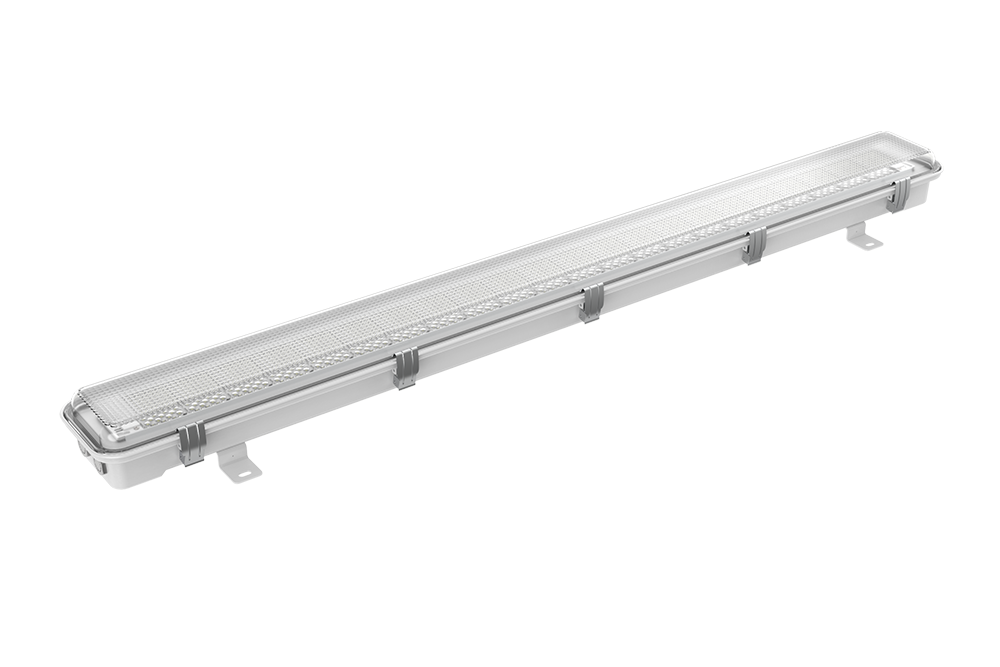
Explosion Rated Hazardous Region Hazardous Proof} Fixtures are specially crafted lighting methods built to operate safely within plausibly ignitable environments. These resilient fixtures inhibit sparks, temperature and voltage flows from triggering a acute explosion. They generally incorporate specialized designs, embracing for example impermeable housings and naturally safe electrical items to provide safety benchmarks in markets like natural resource & combustible gas processing, chemical plants, ore processing operations, and drug production.
Identifying the Right Flameproof Illumination for Treacherous Locations
Assessing the ideal fire-safe lighting for a defined hazardous area needs exacting inspection. Aspects such as the type (e.g., Class I, II, or III and sections 0) ought to be rigorously assessed to confirm obedience with corresponding risk laws. Excluding the region's basic risks, assess natural states, such as warmth and condensation, to find a long-lasting and harmless approach. Always check a trained engineer to lead your selection process.
Sites Where Are Needed Explosion Proof Lights?
Explosion-proof commonly known as intrinsically safe|hazardous location|Class-rated} lights are strictly needed in specific areas where ignitable emissions or pollutants could can create a dangerous atmosphere. This usually includes manufacturing manufacturing plants, lacquer application areas, crop handling facilities, and liquid waste treatment zones. Regulations, such as those from OSHA and IEC, direct their installation in these locations to prevent the risk of sparks and guarantee safety performance.
Advantages of Luminescent in Blast Resistant Luminaires
Adopting Luminescent technology for blast-proof fixtures offers a considerable quantity of advantages. First, light emitting diodes boast a much longer lifespan compared to traditional arc units, reducing overhaul expenditures and stoppages. They are also fundamentally safer, producing reduced warmth which minimizes the exposure of fire outbreaks in hazardous atmospheres. What is more, LEDs are notably efficient in energy use, leading to declined current draw fees and a diminished environmental influence. Finally, the solid structure of Light Emitting Diode contraptions bears the demanding conditions typical of detonation-safe areas.
- Prolonged Operating Life
- Curtailed Care Expenses
- Heightened Risk Management
- Lower Current Utilization
- Enhanced Toughness
Preserving and Testing Explosion Proof Lighting Systems
Scheduled maintenance and complete examination of detonation-proof lighting installations are importantly vital for preserving hazard control and preventing potential perils. This includes a regular review of all components, such as lighting installations, conduit, wiring systems, and associated terminal boxes. Specifically, review for chemical decay, body impairments, and secure bonding. What is more, ensure that entire inscriptions are visible and that the lighting fixtures meets pertinent directives.
- Perform visual inspections.
- Review electrical connections.
- Authenticate explosion protection.
Prospective Developments of Explosion Proof Lighting Technology
Transforming landscape of explosion-proof units technology promises a substantial shift from traditional designs. Future technologies will steadily incorporate networked capabilities, enabling wide-area monitoring, diagnostics, and dynamic control. We foresee a increasing adoption of electroluminescent technology, not only for its basic energy efficiency, but also its competence to facilitate mounted sensors for detecting dangerous conditions. Moreover, materials investigation is propelling explosion proof lighting innovations in hardy container materials, allowing for slimmer and advanced designs, while upholding the compulsory levels of safeguarding.
- Upgraded battery life for flexible applications.
- Consolidation with forecasting maintenance networks.
- Implementation of auto-purging lens mechanisms.