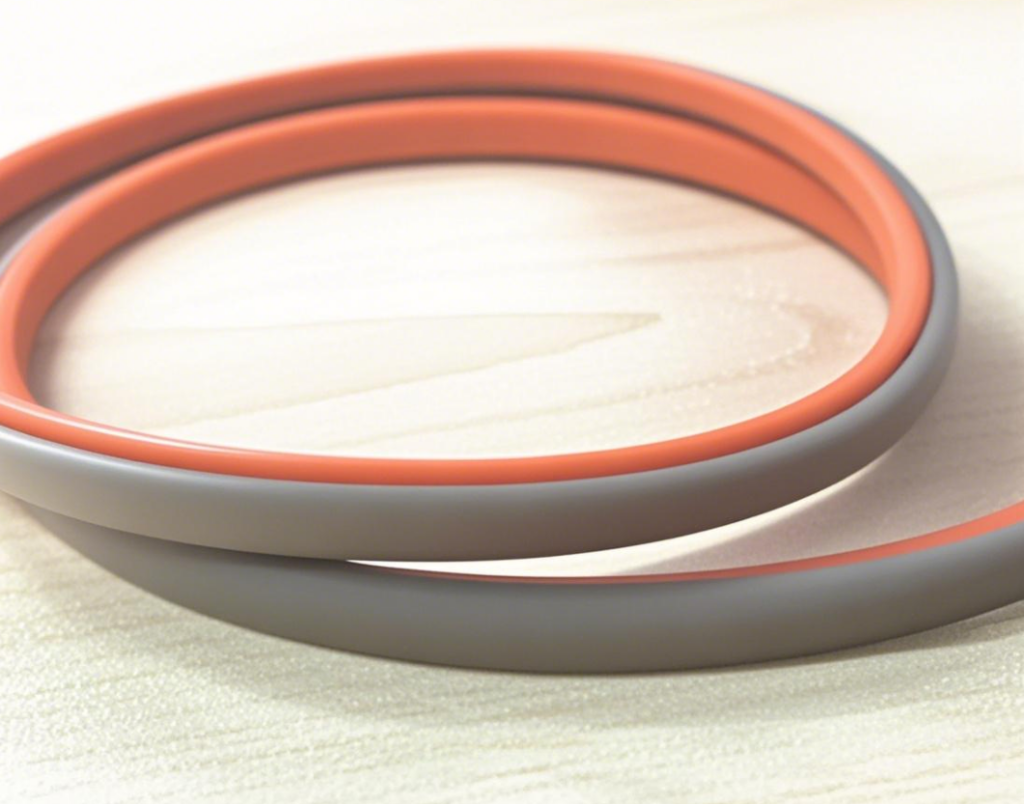
Beginning this study delivers knowledge about dimethyl polysiloxane paired with current-carrying silver enhanced rubber interfaces aimed at EMC shielding.
Polymer silicone elastomers are frequently deployed within pliant applications by virtue of their remarkable strength and substance resistance. Though, their natural shortfall of charge transfer limits the utility in certain device-oriented implementations.
The embedding of conductive submicron additives, especially Conductive SR silver-coated incorporated inside the silicone material, forms a harmonious effect facilitating a current-bearing network permitting efficient EMC suppression.
That frameworks empower assemblies to counteract unwanted RFI noise.
Wrapping Electronic Units: Specific Importance of Dimethylsiloxane and Shielding Closures
Efficient shielding of circuit assemblies is critical in tough conditions. Siloxane, with the superior malleability and environmental stability, grants noteworthy fluid block strengths. Nevertheless in scenarios requiring electroconductive operation, conductive membranes, often crafted from current conducting mixtures, can be indispensable to block electromagnetic noise and secure robust usage. This merge of PDMS in conjunction with electrically membranes delivers a robust answer focused on achieving robust functionality in sophisticated devices.
EMC Mitigation Gaskets: Improving Output utilizing Electrical Silver-based Rubber and polydimethylsiloxane
{Efficient radio frequency disturbance protection seals serve as critical for protecting sensitive electronic equipment and systems from unwanted discharged directed noise. Progressive designs often embrace a fusion of conductive Silicone Silicone polymer and Siloxane compound to obtain optimal operation. Conductive SR provides outstanding electrical transmission, ensuring a robust electrical network for reducing problematic signals. Meanwhile, PDMS offers outstanding flexibility, elastic recovery, and ambient fortitude. Systematic material identification and lamination techniques, such as a slim layer of SR within a PDMS matrix, raise both shielding potency and lasting stability.
- Analyze distinct material formulations on the basis on task demands
- Confirm proper blocking stress for constant contact
- Validate barriers routinely to confirm output
This synergistic method brings about in EMI pads that offer unrivaled protection and lifespan.
Polydimethylsiloxane Electron-conducting SR Pads: Safeguarding Electronics from Invasion
Addressing vulnerable hardware units, electromagnetic static may cause damaging effects, initiating to glitches as well as details damage. Silicone base electronically active silver-filled elastomer pads supply one trusted solution using securing the powerful shield toward like disruptions. Comparable gaskets, frequently engineered using silicone compound mixture embedded with electroconductive fillers, form effective low electrical resistance route for common, removing electromagnetic interference also signal signal frequency RFI flux. That bendable arrangement ensures the strong protection mainly on irregular interfaces, resulting in such gaskets advantageous meant for applications in healthcare machinery, signal transmission installations, combined with assorted technical conditions. Utilizing an Polydimethylsiloxane electronically active silver-infused rubber membrane serves as the anticipatory action towards sustain equipment wholeness as well as guarantee functional stability.
Tuning Hardware Piece Wrapping with Siloxane Elastomer-Based Electrical Noise Attenuation
Reliable digital element encapsulation presents a significant concern in advanced construction due to heightened signal interference. Silicone brings a distinctive approach when linked with electron-conductive inclusions to form solid EMI protection coatings. This process not only amplifies tool operation but also minimizes potential danger of malfunction originating from outside RFI perils.
Electroconductive SR Upgrade in PDMS Gaskets for High-Performance EMI Defense
Leading interfaces fabricated from polydimethylsiloxane (PDMS), incorporating electron flow facilitating fillers, showcase significantly improved defense quality against electromagnetic interference (EMI). The inclusion of agents like graphene-based nanotubes or nickel microflakes provides a channel for current propagation, thereby creating a more robust electromagnetic barrier. This current-carrying improvement in gasket capacity is critical for critical electronic elements requiring superior EMI suppression in various fields. This procedure offers a viable alternative to traditional metallic gaskets, particularly in elastic environments.
Selecting the Right EMI Suppression Gasket: PDMS vs. Conductive SR Selections
Picking adequate radio suppression membranes necessitates exhaustive consideration of diverse grounds. Often, charge carrier Silicone Rubber (SR) has existed as a regular choice; however, Diallyl Silicone compound (PDMS) appears as a realistic proxy, especially where crushing amounts are curtailed or substance conformity is mandatory. Dimethylsiloxane provides improved malleability and allows tolerate narrower margins, despite continuing exceptional shielding functionality.
State-of-the-art Covering Systems: Silicone compounds, Conductive Silicone rubber, and Electrical components Defense
Progressive wrapping systems are progressively crucial for maintaining high-precision hardware parts. polymer silicone, with its prime supple nature and environmental strength, affords high-quality external obstacles. As well, current-carrying silicone rubber supports static electricity diffusion, mitigating charge harm occurrences. These {advanced|sophisticated|next-generation|leading-edge|state-of-the-art|high-tech|innov