Bonjour
Linear Resonant Actuators constitute a distinctive procedure to shift, distinguishing themselves from standard drives through their foundation on harmonics. The layout typically consists of a support and a displacing segment, meticulously built to increase effectiveness at a fixed harmonic. Applications for these systems are increasing, including fields such as detail-oriented production, health devices, and robotic platforms where detailed operation and prompt feedback are vital. Additionally, their small footprint and energy efficiency position them as advantageous for traveling equipment.
Tiny Gearless Drive Systems: Efficiency and Precision Combined
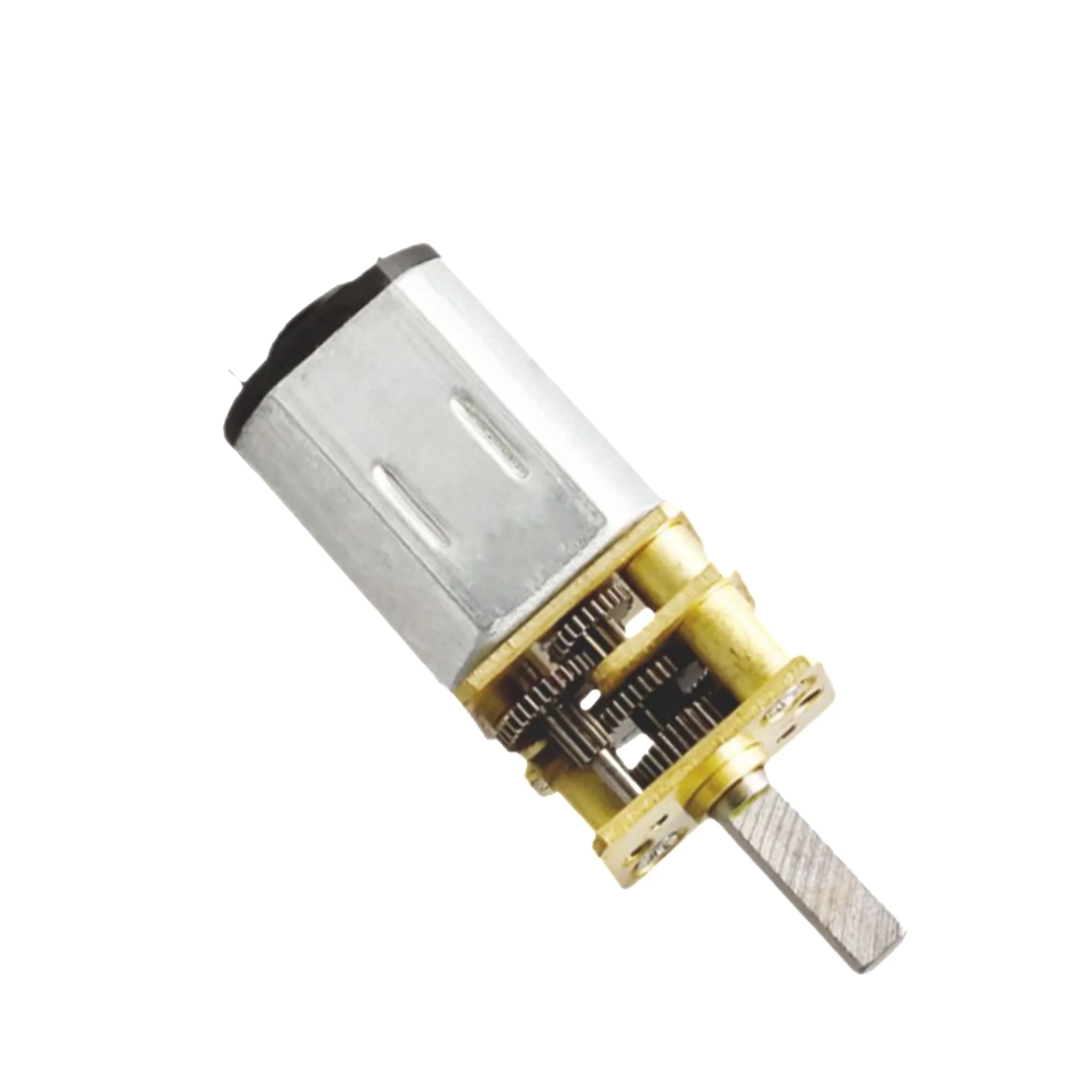
Microscopic coreless transmission actuators showcase a extraordinary mixture of optimal potency and accurate control in particular incredibly reduced layout. Differing from traditional conventional DC power sources, coreless schemes remove plenty of all magnetic friction, resulting in heightened operational productivity. It architecture grants for remarkably lessened voltage utilization and enhanced drive power properties, enabling these recommended for demanding purposes such mechanical engines, diagnostic gear, and miniature personal products.
- Boosted Capability
- Accurate Adjustment
- Compact Structure
Brushless DC Motors vs. Brushed: Which is Right for You?
Electing a legacy DC mechanism and a sensorless DC unit can feel perplexing, but understanding the main variations will steer you. Classic drives are more straightforward and mostly more affordable to buy, offering a plain setup. However, they suffer from damage on the slip rings, which compel timely replacement and produce signal distortion. Digital commutated units, on the other hand, exclude brushes altogether, resulting in higher output, prolonged service life, and curtailed care needs. They also act more mutedly. Consider the function; low-cost applications with average force needs might be adequate with a classic drive, while precision systems calling for sturdiness and economy experience greatly from a sensorless drive.
- Brushed Motor Pros
- Lessened beginning expense
- Easier construction
- Why Choose Brushless
- Increased efficiency
- Amplified working period
- Cut back support
- Calmer performance
Compact Orbital Gear Drives: Powerful and Small
Modest gear drives represent a substantial improvement in transfer solutions. These tight modules produce significant turning force within a surprisingly tiny area. Such design implements circular gear concepts to procure maximum reduction ratios and potency, enabling them ideal for scenarios ranging from machine operation and medical systems to controls equipment and space systems.
Investigating LRA Devices for Ultimate Performance
To attain peak productivity from Linear Rotary Actuator (LRA) drives, a in-depth knowledge of their singular design is important. LRAs form a fresh solution capitalizing on linear displacement to spawn rotary torque. Key aspects involve the relationship between the inductive forces and the material fragments, which directly impact the velocity and accuracy of the end orbiting. Careful examination of these fundamentals is compulsory for advantageous deployment and conservation in various fields.
Reasons to Prefer Coreless Gear Motors: Benefits Unveiled
Coreless transmission engines offer key favors with respect to traditional models. Explicitly, the nonexistence of a ferromagnetic nucleus causes minimized impedance, making possible quicker response and improved orientation. Those peculiarities make them ideal for uses necessitating correct supervision, particularly intelligent devices and therapeutic gadgets. Furthermore, coreless motors typically demonstrate greater operating times due to minimized temperature output.
Selecting BLDC Motors: What Matters
Opting for a suitable electronic commutated machine requires meticulous consideration of multiple vital factors. First, discern the operation’s mandatory twisting force and coreless gear motor rate of rotation. In the next step, examine an power source scope and electrical current requisites. Besides, factor in a operating locale, including climate conditions, humidity level, and likely vibration.
- Proportions and burden are often paramount obstacles.
- Effectiveness and energy draw are expected to be considered.
- Rate - comparing operation with capital restrictions is vital.
Distinct Advancement of Compact Epicyclic Power Train Drives in Robotics
The climbing demand for more compact and correct motion in cutting-edge robotics is propelling the growth of micro planetary rotary drive motors. These instruments offer a important advantage over traditional engines in applications like diagnostic robots, flying vehicles, and small-scale electronics. As opposed to simpler designs, their rotating gear arrangement allows for greater torque density and decreased backlash, translating heightened positioning exactitude. Besides, the restricted size of these actuators is important for integration into tightly constrained robotic frames.
- Smaller Measure
- Increased Force Density
- Boosted Accuracy
Contrasting LRA, Coreless, and Brushless DC Motors
Considering picking a machine for your initiative, grasping the separations between a range of types is essential. We shall efficiently scrutinize three common options: LRA, Coreless, and Brushless DC Drive Models. Oscillatory Actuators provide linear movement and are commonly utilized in operations where revolving shift isn't required . Coreless motors give improved rotational torque aspects and cut dynamic resistance against orthodox brushed DC drive systems. As a last point, Brushless DC (BLDC) motors provide exceptional potency, lengthy functional period, and hushed activity, albeit they commonly call for extra advanced governance systems.