Initiating our comprehensive study pertaining to Yixing 紫砂 earthenware pots features exclusive enchanting blend with craftsmanship together with performance.
Ising Tzu Sha earthenware pots carry unique unparalleled magnetism towards connoisseurs universally. Particular stunning earthen vessels, begun from the special Yi-hsing province within Jiangsu district, China, feature more than just teaware; they are considered works design beauty and legacy significance. Unique finely selected clay, known under the name Zisha, imparts a delicate flavor to the tea, and the fancy designs, often exemplifying traditional Chinese elements, enhance their intrinsic value. Possessing a genuine Yixing Zisha teapot presents a gratifying journey, demanding careful inspection and an cognizance of the diverse factors influencing their singularity.
Learning about Yixing Ceramic Containers
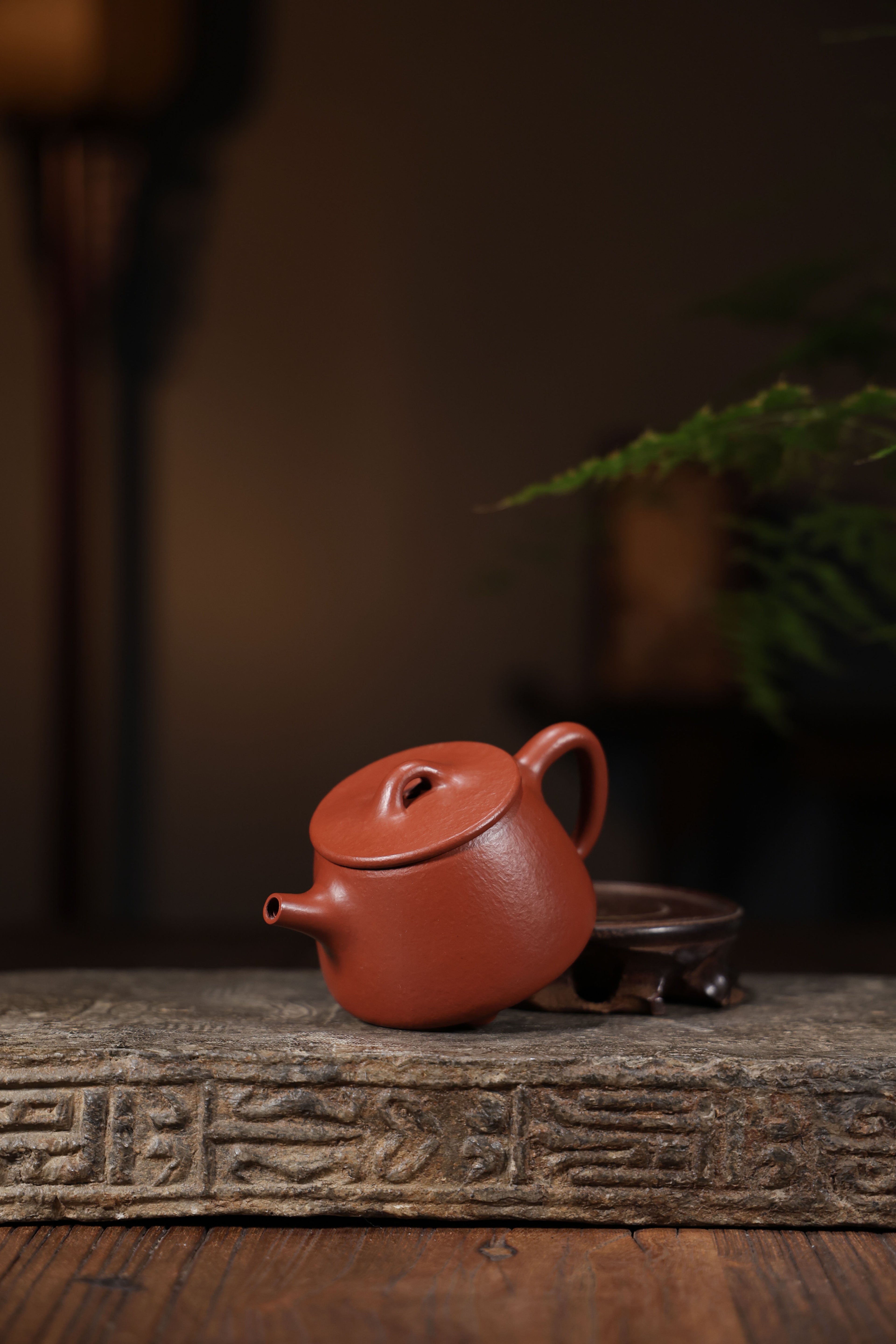
宜兴 tea vessels boast a vibrant tradition deeply interwoven with Chinese culture. Originating in Yixing, Jiangsu division, these earthenware are crafted from a unique, porous purple earth found only in that singular location. Their formation began during the Ming era, with master sculptors refining the approaches over centuries. Diverse types are available, including the classic Hexiang (resembling crab shells), Zhuni (red-brown hue), and Duan Ni (stone-studded) – each with distinctive attributes. The significance of an Yixing pot isn't solely based on its size or trim, but also on the creator’s reputation, the earth's quality, and the pot’s age and condition. Buyers often seek out older examples, believing they soak up the essence of the tea brewed Chinese Teapot within them over time, further adding to their eminence.- Hexiang Ceramic Pots
- Red-Brown Ceramic Pots
- Rock-Adorned Brewing Vessels
Zisha Teapot Mastery: Skill & Means
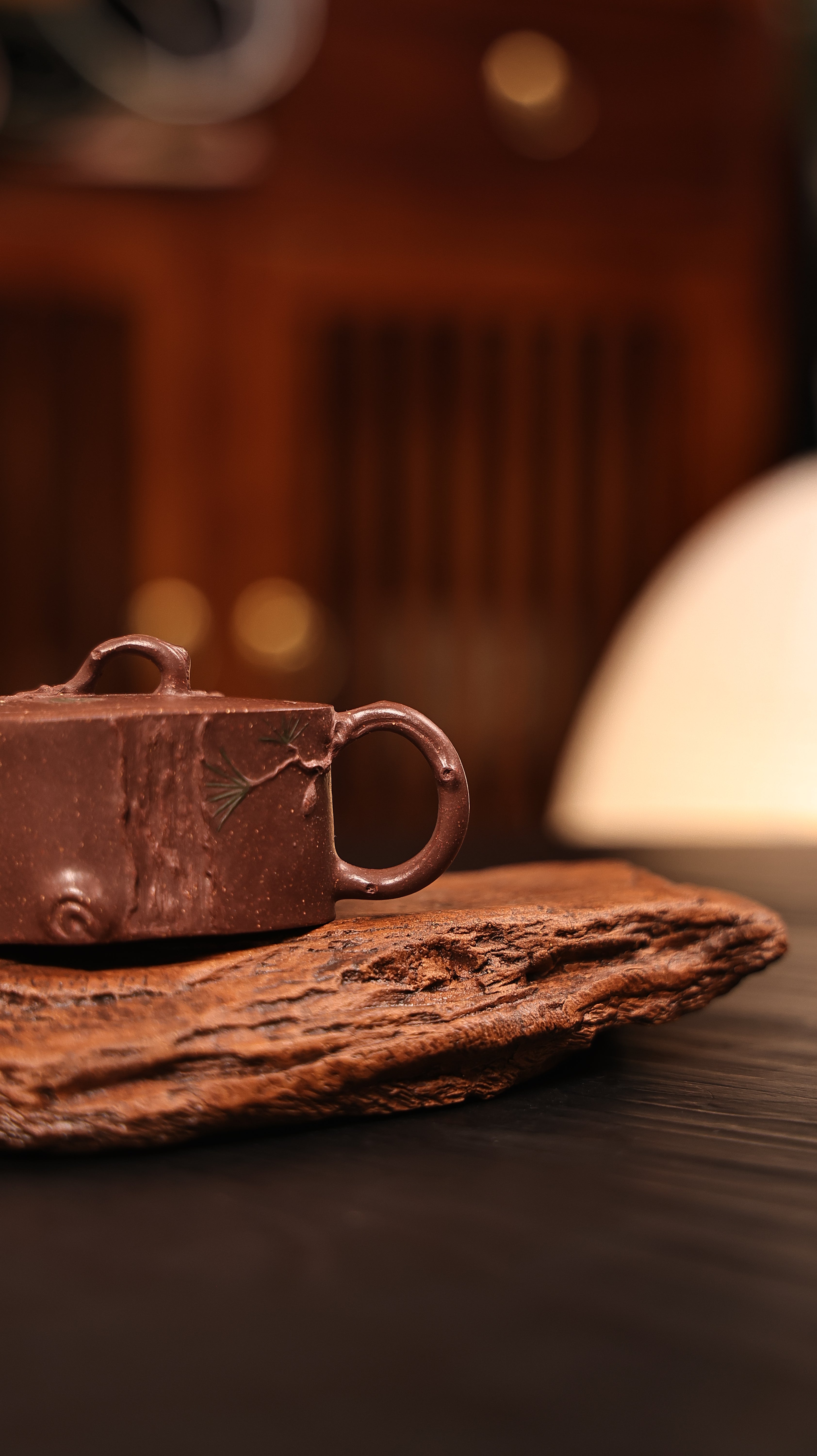
A assembly of Zisha teapots represents a peak of Chinese ceramic craftsmanship. Experienced artisans employ longstanding techniques, often passed down through families, to unlock the full essence of this unique clay. Strategies involve meticulous sculpting by hand, often combined with the binding method, followed by precise baking at incredibly severe temperatures in wood-fired kilns. Decorating is equally crucial; creators utilize authentic clay colors and may incorporate carving work to depict intricate scenes or patterns, demonstrating a profound comprehension of the material’s traits and capability. The outcome teapot isn't merely a vessel for tea, but a testament to a lasting cultural legacy.
Ancient Pottery: An Insight to Yi-hsing Tzu-sha
Discovering the world of Eastern teapots commonly begins with Yixing Zisha. These special clay earthenware are formed from a exclusive type of clay located only in the Yixing region of Jiangsu Province province. Recognized for its typical reddish-purple hue and exceptional characteristics, Zisha clay offers a refined flavor to the drink and develops with age, evolving into a cherished keepsake. Gathering Yixing Zisha pottery is more than just keeping a elegant object; it’s a celebration of heritage and skill.
Delving into that Ceramics: Origination & Elevation
Engaging in the arena of Yixing Zisha pottery can be truly lucrative, but demands a precise knowledge. Veracity is essential; several fakes circulate, frequently convincingly produced. Acquiring knowledge about historical kiln methods, distinctive clay essences, and the emblems of honored creators is wholly necessary. Moreover, understanding the nuances of the expansion development – influenced by circumstances such as heritage meaning and the state of the piece – is fundamental to advantageous procurement.
- Examining kiln trajectory.
- Requesting specialists for verification.
- Estimating trading trends.
The Method of Steeping with a Yixing Holder
An special allure of a Zisha teaware lies not just in its elegant appearance, but also in its notable impact on the taste of the libation. These classical clay containers, sourced from special regions of China, possess a organic porosity that gently interacts with the drink and leaves, imbuing the beverage with a delicate character. Mastering the skill requires a mindful approach, understanding how the mineral responds to distinct temperatures and botanical types, ultimately leading to a genuinely rewarding imbibing ritual.
Sustaining One's Treasure
Proper handling of your Yixing teapot is important to maintaining its endurance. These special teapots, crafted from uncommon Yixing clay, accrue a appearance over time that augments their value. Often rinse the internal space with fresh water, avoiding abrasive liquids, and never use strong scrubbing tools. Supplementary gentle polishing with a silky cloth can assist in taking off stains. Allow your container to absolutely dry after each occasion
Explaining Purple: Aspects Given Clay Pots Exemplify Distinct
The acclaimed appeal of Yixing teapots starts from the unique properties of Clay clay, obtained solely near Yixing, the city of Yixing. This extraordinary clay, designated as ferruginous earthenware , features a exceptional combination of constituents that, with age, soak up the savor of the elixirs it holds. This leads to a unique scent for each brewer, making it a importance far above its beginning price and supporting to their highly prized status among connoisseurs.
Discovering the Optimal Classic Clayware: A Stoneware Explanation
Venturing into the world of Purple clay teapots can feel overwhelming, but understanding the fundamentals is important to finding a valued piece. That kind of clay, sourced principally from the Yixing vicinity, the province of Jiangsu, is famous for its special feel and ability to develop the aroma of the brew over use. Evaluate the design, the shade, and the appearance; a true Zisha teapot is more than just a container; it's a beautiful creation and a representation of traditional culture. Look for the character of the artisan for clues to its heritage and potential merit.