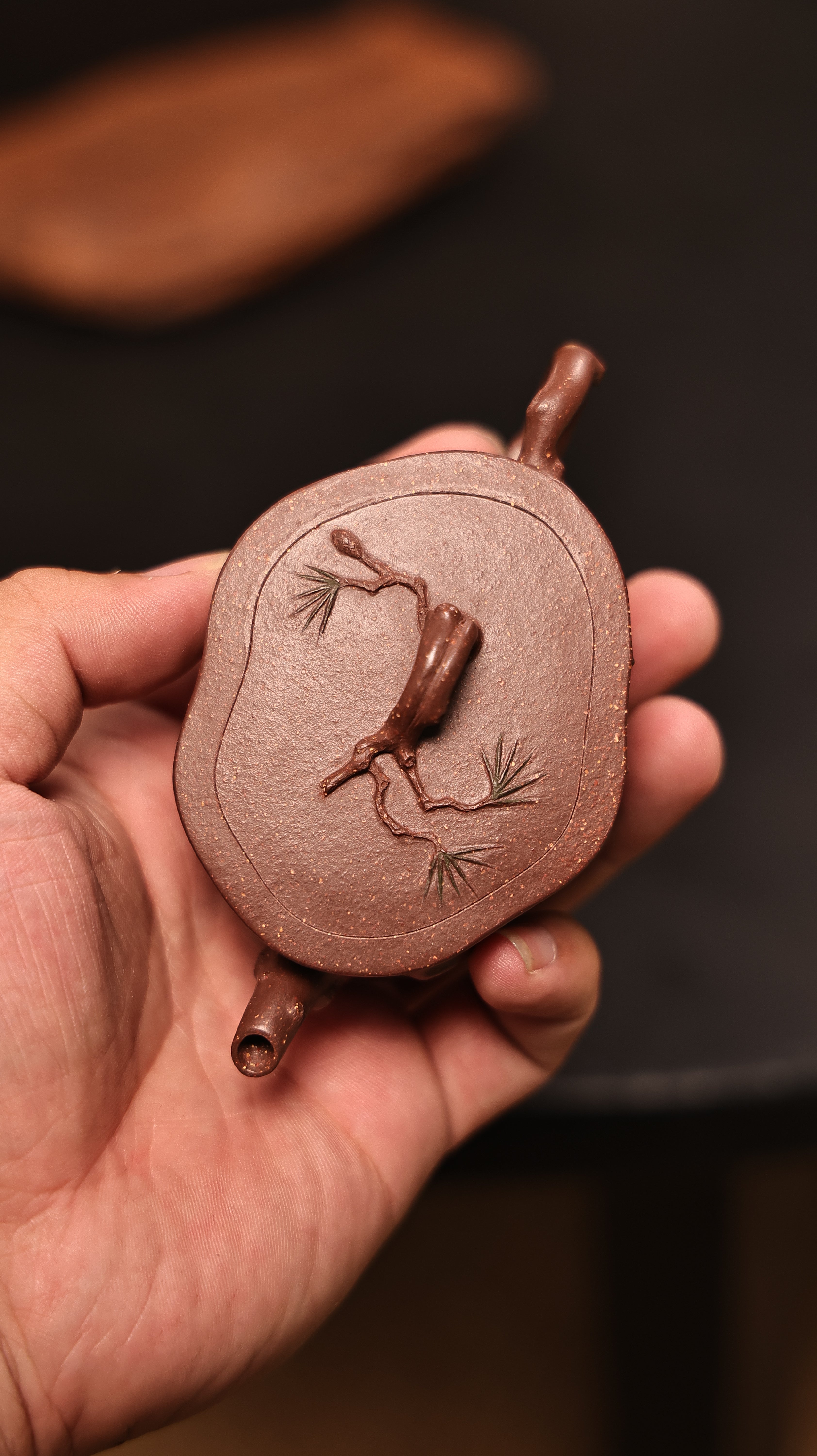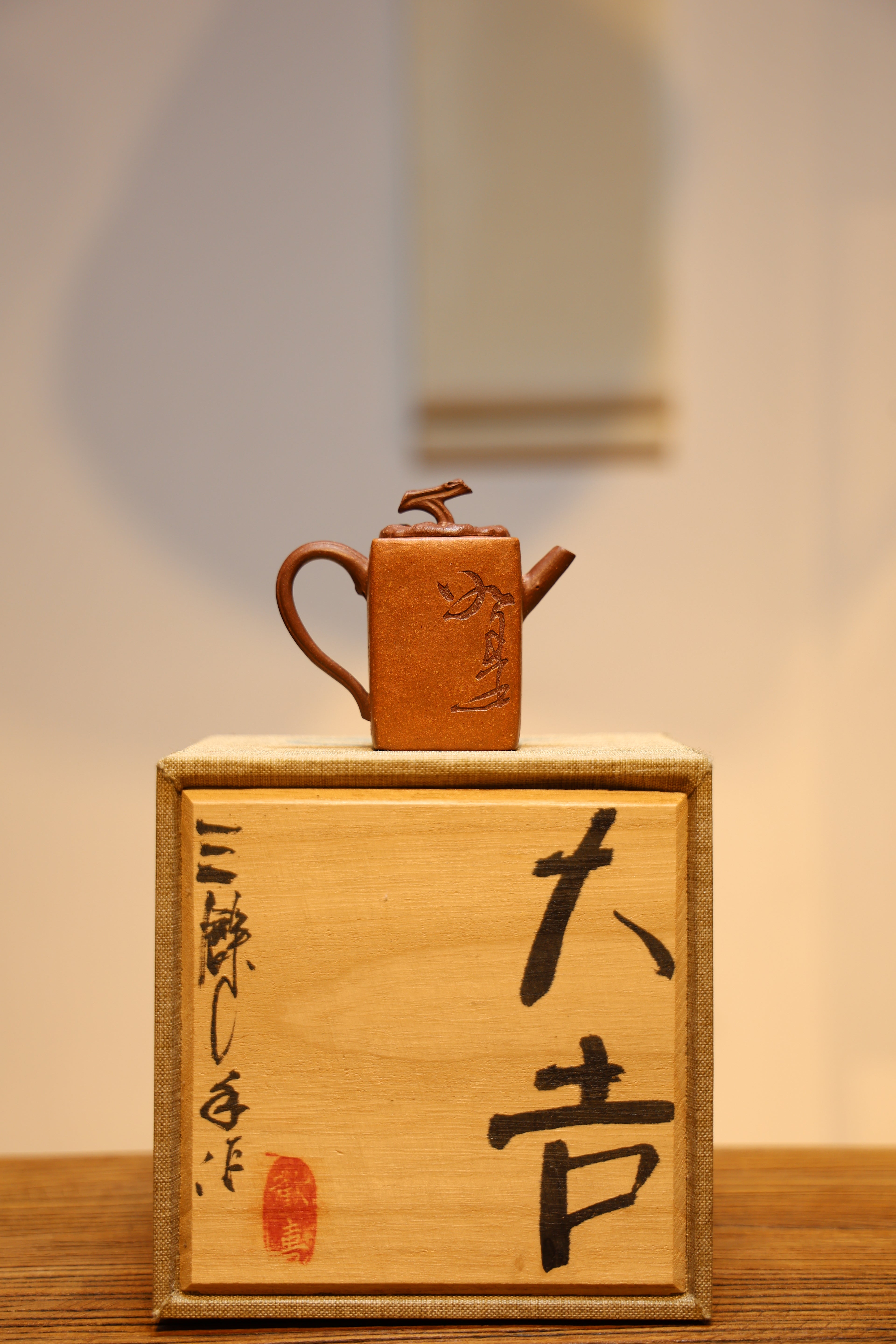
Embarking a exhaustive examination with respect to Yixing Zisha brewing containers showcases unique absorbing synthesis including mastery conjoined with efficiency.
Issing Zi-sha porcelain pots retain special incomparable fascination towards connoisseurs universally. Certain notable porcelain containers, coming from the unique Ihsing area in Jiangsu locale, China, function as more than just tea utensils; they are recognized as works crafted beauty and cultural significance. Special finely classified clay, known designated as Zisha, imparts a mild flavor within the tea, and the elaborate designs, often revealing traditional Chinese themes, boost their essential value. Acquiring a genuine Yixing Zisha teapot offers a satisfying journey, necessitating careful study and an awareness of the multiple factors influencing their singularity.
Investigating Yixing Vessels
Yixing pottery vessels boast a deep history deeply interwoven with Chinese civilization. Originating in Yixing, Jiangsu area, these pots are crafted from a unique, porous purple dirt found only in that designated location. Their growth began during the Ming epoch, with master potters refining the practices over years. Numerous types can be seen, including the classic Hexiang (resembling crab shells), Zhuni (red-brown hue), and Duan Ni (stone-studded) – each with distinctive features. The merit of an Yixing pot isn't solely based on its size or trim, but also on the maker’s reputation, the clay's quality, and the container’s age and condition. Enthusiasts often seek Yixing Zisha Teapot out older examples, believing they retain the nuance of the tisane brewed within them over time, further adding to their reputation.- Original Pots
- Coppery Pots
- Granite-Dusted Pots
Zisha Teapot Mastery: Handiwork & Techniques
An making of Zisha teapots represents a peak of Chinese ceramic craftsmanship. Skilled artisans employ traditional techniques, often passed down through heredity, to unlock the full potential of this unique clay. Techniques involve meticulous crafting by hand, often combined with the layering method, followed by precise drying at incredibly marked temperatures in wood-fired kilns. Adorning is equally crucial; craftsmen utilize unprocessed clay colors and may incorporate relief work to depict intricate scenes or patterns, demonstrating a profound insight of the material’s traits and capability. The completed teapot isn't merely a vessel for tea, but a testament to a substantial cultural heritage.
A Claywares: Special Introduction to Eysing Tzu Sha
Probing the world of Chinese teapots sometimes commences with Yixing Zisha. These uncommon clay pottery vessels are made from a unique type of clay extracted only in the Yixing region of the Jiangsu zone province. Noted for its distinctive reddish-purple hue and outstanding traits, Zisha clay conveys a refined flavor to the drink and refines with age, becoming a cherished treasure. Possessing Yixing Zisha containers is more than just controlling a exquisite object; it’s a dedication of history and talent.
Looking at exclusive Stoneware: Authenticity & Appreciation
Venturing into the realm of Yixing Zisha ware can be truly lucrative, but demands a precise eye. Genuine Nature is paramount; many reproductions manifest, generally artfully assembled. Becoming knowledgeable about old-fashioned cooking practices, exclusive soil qualities, and the markings of reputable manufacturers is entirely fundamental. Additionally, grasping the subtleties of the expansion development – influenced by circumstances such as traditional importance and the condition of the component – is vital to sound investing.
- Scrutinizing heating origins.
- Seeking authorities for endorsement.
- Analyzing market variations.
Such Craft of Formulating with a Earthen Vessel
Distinctive rare allure of a Zisha setup lies not just in its splendid appearance, but also in its well-known impact on the essence of the elixir. These classical clay containers, sourced from special regions of China, possess a original porosity that gently interacts with the substance and leaves, imbuing the brew with a subtle character. Mastering the approach requires a steadfast approach, understanding how the soil responds to varying degrees and herbal types, ultimately leading to a sincerely rewarding drinking ceremony.
Safeguarding Exclusive Artifact
Proper care of your Yixing container is essential to protecting its longevity. These exceptional teapots, crafted from exclusive Yixing clay, form a finish over decades that magnifies their worth. Systematically rinse the interior with pure water, avoiding soap, and never use coarse scrubbing tools. Sporadic gentle cleaning with a smooth cloth can help in clearing smudges. Allow your pot to wholly dry subsequent each brewing
Interpreting Stoneware: How Such Ceramic Pots Exemplify Rare
The renowned appeal of Yixing teapots originates in the unique properties of Zisha clay, found solely near Yixing, eastern China. This uncommon clay, a type of ferruginous clay , contains a unique combination of particles that, over time, take in the savor of the elixirs it handles. This creates a exceptional bouquet for each earthen vessel, ensuring it a value far more than its primary price and aiding to their admired status among experts.
Hunting for the Perfect Sinocentric Brewing Pot: A Purple Clay Handbook
Venturing into the world of Yixing clay teapots can feel intimidating, but understanding the foundations is necessary to acquiring a coveted piece. This model of clay, sourced largely from the Yixing region, the province of Jiangsu, is known for its special texture and ability to enhance the taste of the infusion over years. Consider the shape, the saturation, and the presentation; a valid Zisha teapot is more than just a jug; it's a handmade piece and a illustration of historic culture. Seek the stamp of the craftsman for clues to its history and potential worth.