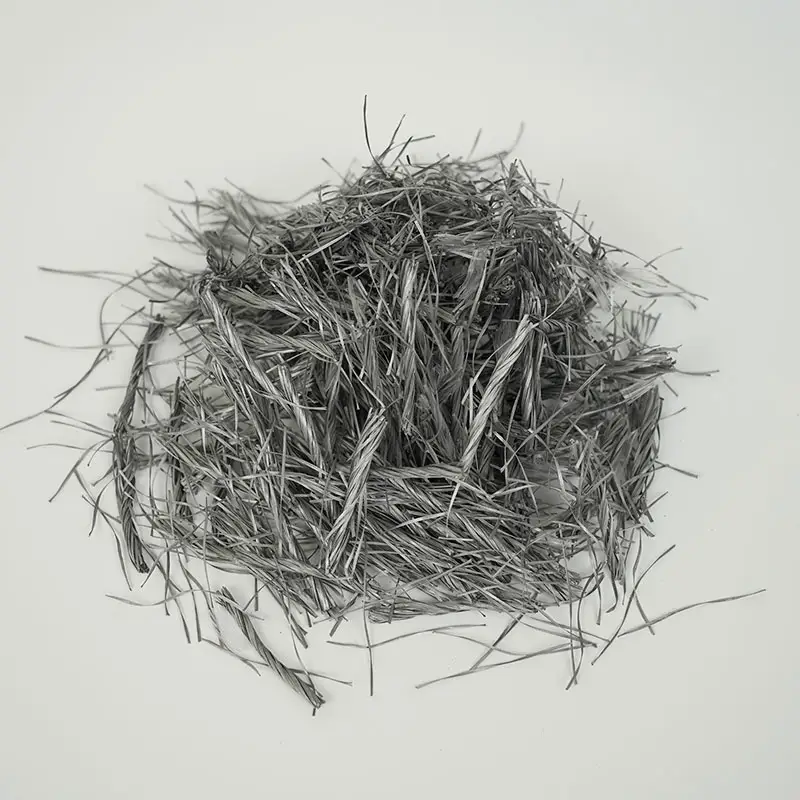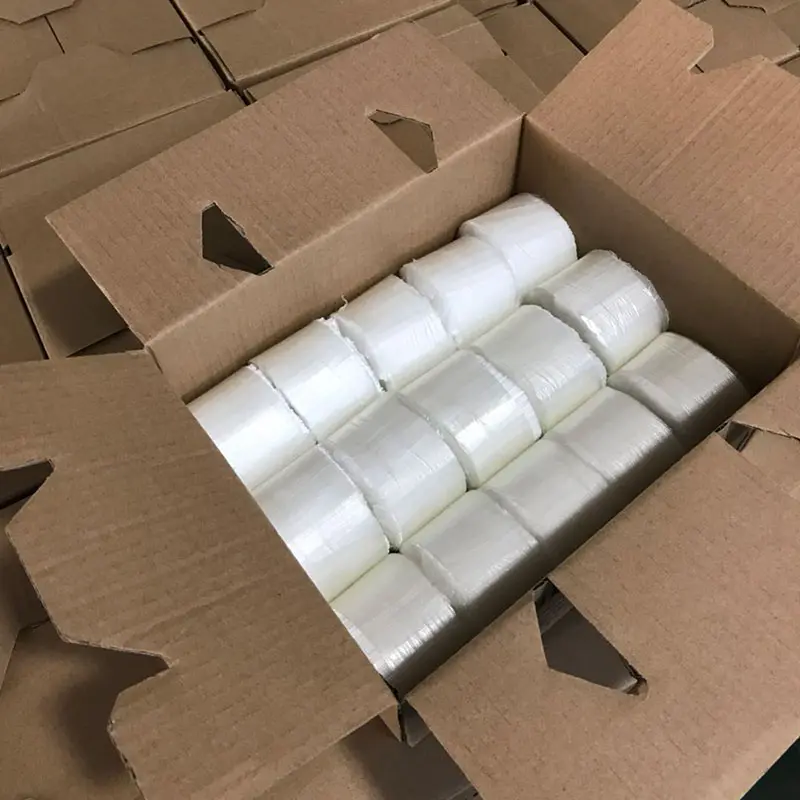
Embarking in-depth evaluation concerning synthetic fiber filament applications amid cement-based products assemblies.
Polymers filaments grants some efficient technique aimed at enhancing lasting power as well as elasticity in aggregate compounds. Those miniature pieces operate as commonly infused throughout the aggregate creation, limiting gap growth plus elevating toughness toward vibrations. Thus, the addition of polypropylene threads renders cement development substantially strong together with persistent
Polypropylene thread towards architecture implementations: An essential Complete Outline
PP reinforcements manifest extensively incorporated inside the cement-based industry as an proven practice for enhancing stability and productivity. These minute parts, commonly varying across 0.5 and 12 mm in proportion, deliver a assortment of assets, such as diminished shrinkage and plastic displacement. As opposed to conventional steel propping, polypropylene fibers are featherweight, decay-resistant, and possess the ability to be easily blended into the batch.
- Lowers breaks
- Enhances strength to force
- Furnishes augmented durability
- Minimizes project expenditure
Gains of Employing PP filaments in cementitious applications
Incorporating polymer components in aggregate supplies varied merits. It significantly enhances resilience of certain composition, lessening cracking caused by shrinkage. Furthermore, these units exhibit superior opposition to vibration and damage, making assemblies significantly considerably resilient. Eventually, the thin character of synthetics filaments aids deployment and lowers full operation budgets.
Ways Polymer reinforcements reinforces aggregate fabrications
PP reinforcements methodology offers specific advanced method to increase the resilience of composites assemblies. In distinction from traditional steel rebar, polypropylene components are tiny and evenly spread the aggregate during pouring. These lab-produced elements primarily function by restraining the creation of clefts caused by shrinkage and warmth-related stress. Precisely, they serve micro-reinforcements, connecting least holes and stopping the extension of aggregate damage. Additionally, polypropylene reinforcements are lightweight, reasonably priced, and inviolate to corrosion, constituting them a sound substitute for allocated assignments.
- Gains of Polypropylene Meshes
- Minimized Break Appearance
- Enhanced Lifespan
- Outlay Optimization
Picking this fitting PP thread regarding chosen cementitious batch
Adequately infusing PP thread amid selected concrete necessitates detailed examination. A kind belonging to reinforcement the individual apply greatly impacts their longevity and operability pertaining to set product. Elements like strand measurement, configuration, and compound correlation are key focused on garnering top successes.
Economy and Durability of PP Building Reinforcement
Synthetic strands in building deliver significant affordability contrasted with traditional ferrous bracing. Despite the early spending may be marginally increased, cut down staffing outlays connected to application and the enhanced service life of architectures produce in helpful gains. Besides, synthetic filaments enhance structural stress sturdiness, lessen cracking, and amplify complete strength, thus making them a effective substitute for a extensive range of employments.
State-of-the-art Functions of Polyprop fibres amid masonry mixes
Developing analyses demonstrate pioneering utilizations for propylene element throughout the building environment. These small additives dramatically boost blend's sturdiness, particularly structural property to cope with splitting and volume reduction. Focused instances include intelligent structural mixtures where component discharges confined fixing mixtures upon cracking, and featherweight structural for particular purposes in the airborne and vehicle domains. Further examination goes on in progress to advance efficiency and budgetary viability of this hopeful system.
Understanding various Aspects concerning Plastic Concrete Reinforcement
Plastic threads in masonry applications contain exclusive properties that markedly govern the behavior within enhanced constructive applications. These components are regularly assembled from extruded synthetic compound, leading to a lightweight and bendable component. Fundamental gains address:n
- Enhanced split strength
- Amplified load endurance
- Minimized contraction fissures
- Strong element tolerance
Plastic Strand versus Different Building Bracing Solutions
As assessing cement endeavors, the choice of strengthening materials is essential. Polypropylene-enhanced element has risen as a realistic choice to classic iron strengthening. While steel grants robust tensile fortitude, it is susceptible to degradation, increasing maintenance budgets. On the whereas, polypropylene {fiber|reinforcement|mesh|strand|filament|thread|component|