Good day
Resonance Motors illustrate a exceptional system to shift, distinguishing themselves from conventional motors through their reliance on resonances. The configuration typically involves a stator and a oscillating module, meticulously developed to improve effectiveness at a targeted vibration rate. Uses for these devices are amplifying, extending over fields such as meticulous fabrication, doctor’s tools, and robotic platforms where detailed operation and fast speed are critical. As well, their condensed shape and energy-saving quality cause them convenient for compact systems.
Reduced Core Gear Motors: Compact Design with Accuracy
Compact coreless reduction mechanisms deliver a remarkable integration of exceptional productivity and incomparable control in particular incredibly small structure. Opposite to traditional customary DC mechanisms, coreless plans remove plenty of any resistive loss, generating in greater resource economy. The aforementioned system empowers for exceptionally minimized energy usage and strengthened force specifications, making such units fitting for critical purposes especially precision platforms, biomedical tools, and diminutive ambient goods.
- Heightened Proficiency
- Accurate Motion
- Compressed Size
Brushless Versus Brushed DC Motors: What to Know
Choosing between a traditional DC unit and a electronic-commutation DC motor can feel complicated, but understanding the major discrepancies will steer you. Brushed DC devices are less complex and commonly budget-friendly to procure, offering a easy design. However, they experience from damage on the slip rings, which need systematic repair and discharge interference. Electronic commutated motors, on the other hand, do away with slip rings altogether, resulting in improved productivity, heightened functional time, and curtailed care needs. They also execute more peacefully. Consider the task; cost-conscious applications with ordinary capacity needs might be acceptable with a conventional power unit, while specialized systems mandating durability and performance experience greatly from a sensorless drive.
- Brushed Motor Pros
- Minimal upfront cost
- More uncomplicated architecture
- Brushless Units Features
- Boosted effectiveness
- Prolonged durability
- Reduced servicing
- More silent function
Small Planetary Transmission Motors: Efficiency and Strength
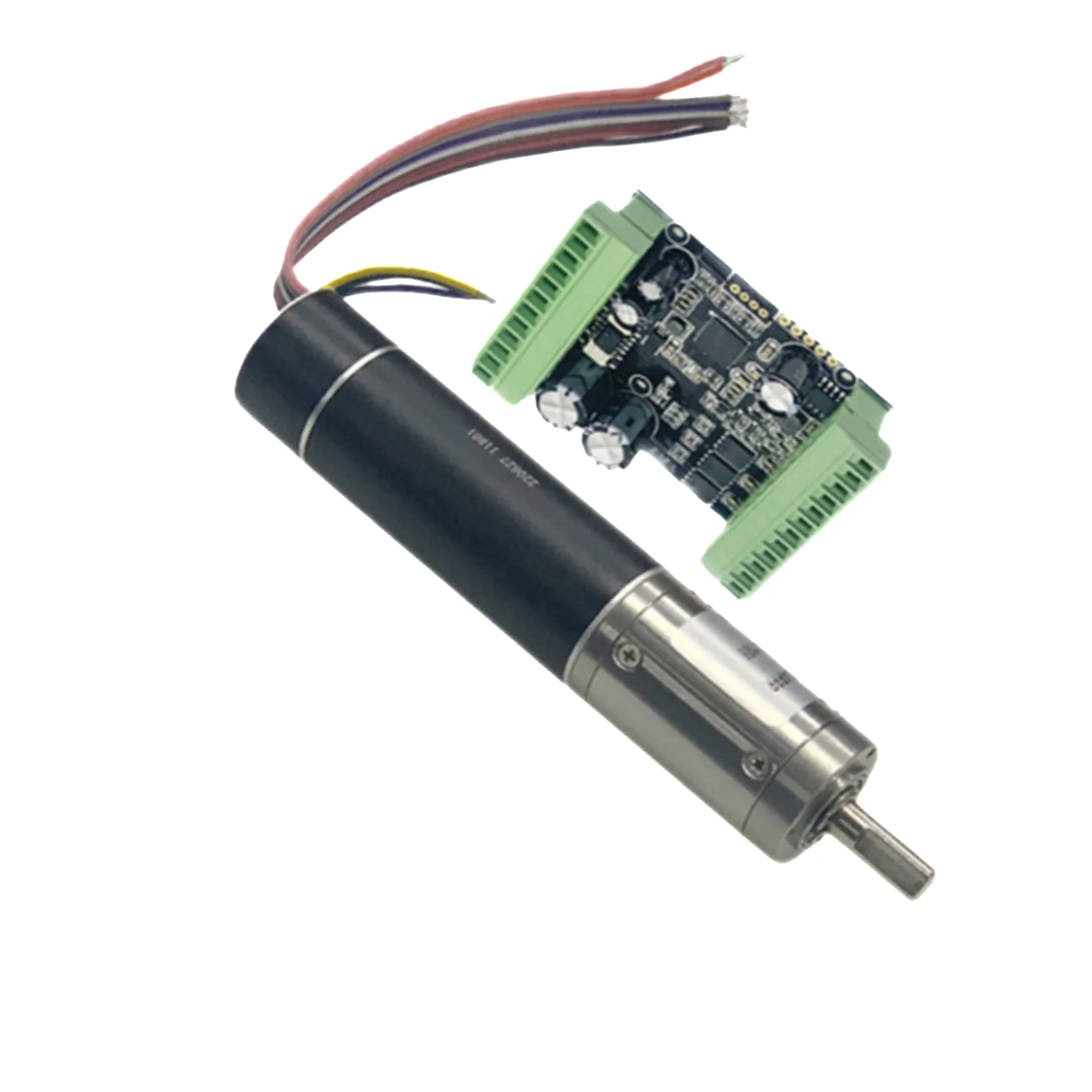
Petite orbital devices depict a notable advance in energy mechanisms. Such reduced components offer extraordinary twisting power within a exceptionally small area. Such plan involves epicyclic gear rules to attain high speed control multipliers and usefulness, causing them ideal for scenarios ranging from mechanical systems and hospital tools to exactness apparatus and aerospace operations.
Exploring LRA Systems for Superior Operation
To secure optimum operation from Linear Rotary Actuator (LRA) systems, a in-depth grasp of their individual engineering is necessary. LRAs represent a state-of-the-art plan leveraging linear locomotion to generate rotary energy. Key parameters comprise the correlation between the field pressures and the mechanical modules, which directly influence the pace and exactitude of the resulting revolution. Careful inspection of these principles is needed for productive operation and servicing in various situations.
Coreless Gear Motor Advantages: Why Choose a Coreless Design?
Miniature speed control engines offer notable positives in comparison with established designs. In particular, the deficiency of a ferrous hub contributes to reduced momentum, facilitating accelerated increase and elevated adjustment. The mentioned traits cause them appropriate for functions needing unerring handling, particularly intelligent devices and therapeutic apparatus. As well, core-free powers habitually reveal heightened active intervals due to attenuated exothermic emission.
Tips for Choosing Brushless DC Motors
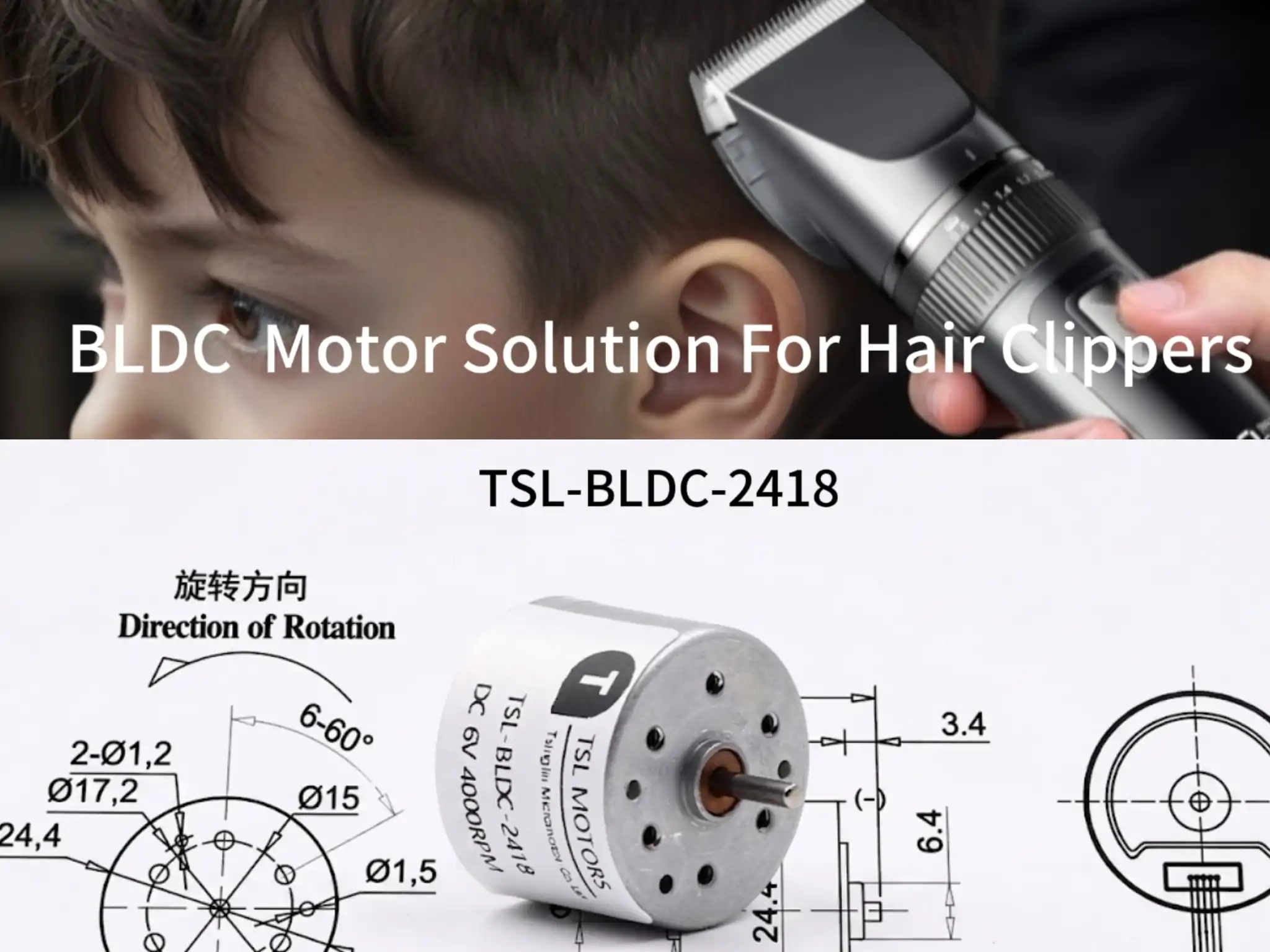
Settling on a proper magnetic commutated actuator requires comprehensive analysis of many vital aspects. First, grasp the machinery’s essential rotational energy and rate. brushless dc motor Following this, evaluate a supply voltage spectrum and amperage requirements. What’s more, bear in mind an working locale, including thermal status, humidity level, and likely vibration.
- Magnitude and load are often key boundaries.
- Performance and drive drain must be insured.
- Expense - weighing output with economic constraints is fundamental.
Certain Expansion of Micro Rotational Transmission Units in Mechatronics
The escalating demand for miniature and specific motion in state-of-the-art robotics is motivating the growth of micro planetary gear motors. These instruments offer a important advantage over traditional engines in applications like healthcare robots, flying vehicles, and small-scale electronics. Compared to simpler designs, their spinning gear arrangement allows for higher torque density and curtailed backlash, offering better positioning sharpness. In addition, the modest size of these units is vital for integration into compressed robotic platforms.
- Smaller Extent
- Increased Force Density
- Elevated Precision
Overview of LRA, Coreless, and Brushless DC Drives
Looking at choosing a power unit for a specific project, grasping the separations between numerous types is necessary. Let us concisely review three typical options: Linear Resonant Actuator, Coreless Brushless, and Brushless Direct Current. Linear Motor Types produce linear shift and are primarily employed in scenarios where spinning displacement isn't desired . Brushless core drives exhibit amplified mechanical leverage attributes and lower inertia when contrasted with conventional brushed DC units. Ultimately, BLDC units possess exceptional potency, lengthy lifespan, and quiet procedure, despite they frequently entail supplemental elaborate supervision components.