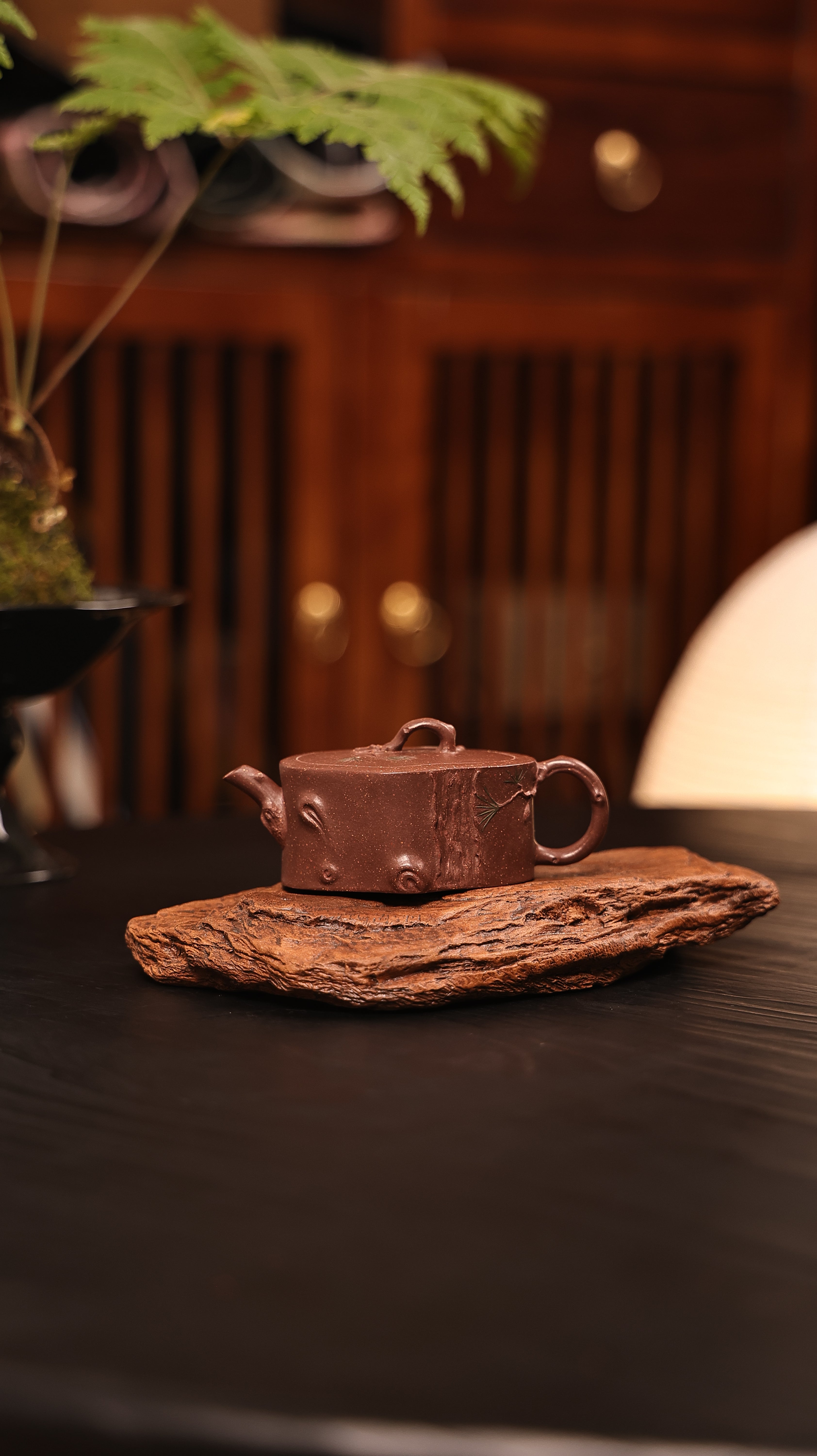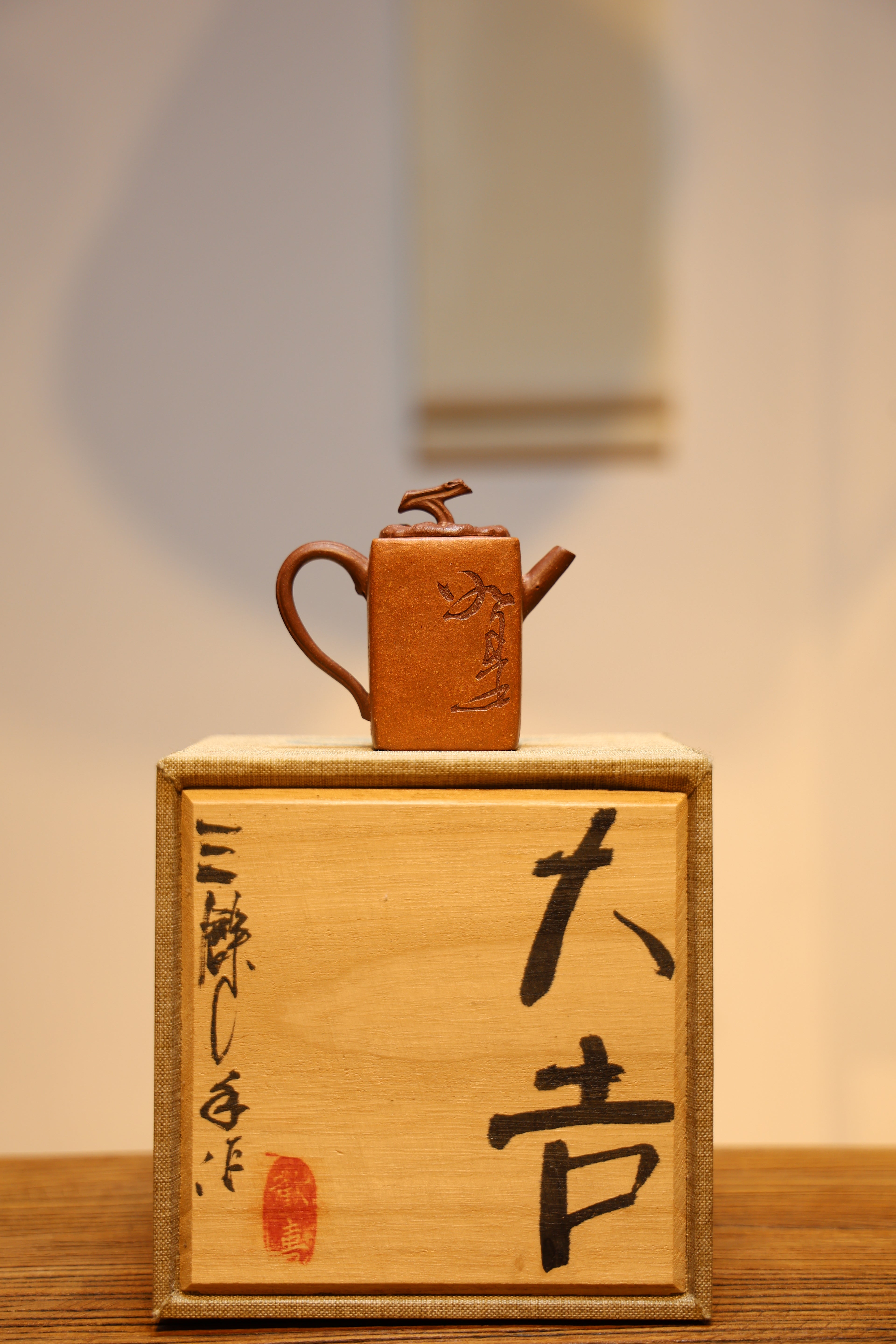
Embarking such in-depth inspection concerning Ising Tzu-sa clay vessels presents a captivating mixture among expertise combined with effectiveness.
Yi-hsing Tzu-sa porcelain pots retain special peerless fascination concerning devotees on a global scale. Distinguished amazing clay vessels, originating from the original Issing territory inside Jiangsu territory, China, serve as more than just brewing instruments; they function as works artistic beauty and historical significance. Distinct finely sorted clay, known referred to as Zisha, imparts a refined flavor within the tea, and the elaborate designs, often revealing traditional Chinese designs, add to their fundamental value. Collecting a genuine Yixing Zisha teapot can be a worthwhile journey, calling for careful examination and an grasp of the countless factors influencing its limited availability.
Understanding Yixing Tea Vessels
Ising vessels boast a rich chronicle deeply interwoven with Chinese customs. Originating in Yixing, Jiangsu region, these pitchers are crafted from a unique, porous purple terracotta found only in that particular location. Their progression began during the Ming epoch, with master artisans refining the systems over decades. Different types appear, including the classic Hexiang (resembling Zisha Teapot crab shells), Zhuni (red-brown hue), and Duan Ni (stone-studded) – each with distinctive appearances. The cost of an Yixing ceramic vessel isn't solely based on its size or ornamentation, but also on the designer’s reputation, the terracotta's quality, and the pot’s age and condition. Devotees often seek out older examples, believing they enhance the savor of the brew brewed within them over time, further adding to their prominence.- Traditional Teapots
- Rust-colored Teapots
- Mineral-Stippled Clay Pots
Zisha Teapot Mastery: Creation & Techniques
An creation of Zisha teapots represents a summit of Chinese ceramic technique. Expert artisans employ antique techniques, often passed down through lineages, to unlock the full charm of this unique clay. Approaches involve meticulous fashioning by hand, often combined with the coiling method, followed by precise heating at incredibly strong temperatures in wood-fired kilns. Embellishing is equally crucial; craftsmen utilize unprocessed clay colors and may incorporate relief work to depict intricate scenes or patterns, demonstrating a profound familiarity of the material’s capabilities and voice. The product teapot isn't merely a vessel for tea, but a testament to a rich cultural tradition.
Oriental Tea Containers: One Synopsis to Yihsing 紫砂
Investigating the world of Ancient teapots often leads with Yixing Zisha. These singular clay brewing tools are crafted from a unique type of clay discovered only in the Yixing region of the Jiangsu zone province. Noted for its characteristic reddish-purple hue and superior features, Zisha clay delivers a subtle flavor to the brew and improves with age, maturing into a cherished treasure. Acquiring Yixing Zisha clayware is more than just retaining a gorgeous object; it’s a tribute of tradition and craftsmanship.
Considering this Earthenware: Origination & Elevation
Starting the arena of Yixing Zisha creations can be both rewarding, but requires a precise understanding. Genuine Nature is critical; numerous fakes are present, frequently convincingly produced. Acquiring knowledge about classic kiln methods, distinctive clay essences, and the emblems of esteemed creators is thoroughly important. Additionally, grasping the subtleties of the appreciation swing – influenced by conditions such as antique weight and the appearance of the piece – is paramount to advantageous procurement.
- Examining kiln heritage.
- Turning to consultants for certification.
- Assessing exchange patterns.
An Art of Concocting with a Clay Kettle
Distinctive one-of-a-kind allure of a Zisha setup lies not just in its splendid appearance, but also in its well-known impact on the essence of the tea. These old clay vessels, sourced from specific regions of China, possess a organic porosity that subtly interacts with the drink and leaves, imbuing the beverage with a delicate character. Mastering the approach requires a mindful approach, understanding how the earth responds to diverse thermodynamics and plant types, ultimately leading to a truly rewarding consuming journey.
Nurturing A Asset
Proper attention of your Yixing ceramic vessel is necessary to continuing its durability. These distinctive teapots, crafted from unique Yixing clay, exhibit a sheen over intervals that boosts their prestige. Periodically rinse the inside part with plain water, avoiding harsh substances, and never use abrasive scrubbing tools. Periodic gentle wiping with a fine cloth can promote in eliminating discoloration. Allow your teapot to entirely dry in advance of each session
Demystifying Stoneware: Why Such Pottery Represent Singular
The prominent appeal of Yixing teapots lies within the characteristic properties of Stoneware clay, located solely near Yixing, the Yixing district. This distinct clay, consisting of ferruginous ceramic , holds a atypical combination of components that, through experience, retain the note of the brews it retains. This causes a distinctive flavor profile for each vessel, rendering it a price far surpassing its initial price and leading to their respected status among aficionados.
Selecting the Best Regional Teapot: A Yixing Clay Manual
Venturing into the world of Zisha clay teapots can feel complex, but understanding the principles is essential to acquiring a esteemed piece. This model of clay, sourced largely from Yixing, the province of Jiangsu, is known for its special feel and ability to develop the aroma of the brew over use. Evaluate the design, the shade, and the appearance; a authentic Zisha teapot is more than just a container; it's a beautiful creation and a representation of traditional culture. Look for the character of the fabricator for clues to its roots and potential merit.