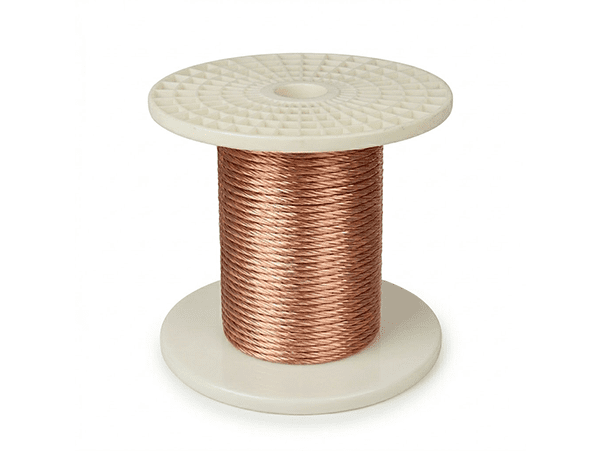
Commencing
Ni Bonded Cu: The Distinguished Solution?
Ni covered alloy presents a compelling strategy to classic copper conductors, markedly in demanding environments. The operation of coating a thin layer of nickel upon a copper core culminates in a material offering enhanced oxidation resistance while continuing excellent electrical performance. This merger of properties constitutes nickel clad copper a practical pick for applications where copper's natural susceptibility to degradation is a notable concern, conceivably excelling conventional techniques.
Understanding Element Twenty-Eight Bonded Metal Cable Benefits
Element Twenty-Eight clad conductive metal cable grants significant gains for countless systems. The singular blend of remarkable electrical output from the electrical base core, paired with the decay resistance of the nichel overlay, results in a long-lasting and secure solution. This configuration reduces the possibility of fault and increases the complete functional period of the system.
Ni-Plated Conductive Metal Conductors: Improving Capability
Metallic Element coating sheets across Base Metal wires markedly augments their electronic plus operational traits. This course often entails an individual slender surface constituting Element Twenty-Eight, in which provides enhanced deterioration resistance, prime attachment potential, coupled with upgraded top polish. Therefore, nickel-layered Conductive Metal cables and lines experience widespread employment throughout state-of-the-art electro-devices, vehicle structures, in addition to commercial tools such that steadfastness stands as vital. Such end conductivity remains prime concurrently with affording enhanced strength together with duration.
Ni Clad Substrates: Features in addition to Functions
Ni covering compounds deliver a distinct combination of elements making them appropriate for stringent uses. The operation typically embraces attaching a layer of nickel covering a center substance, such as structural metal or earth metal. This generates a surface that is notably proof to corrosion, wear, and elevated thermal exposure.
Pluses of Nichel Overlayed Cu in Electronics
Silver-White Metal clad copper offers major merits in diverse signal systems. The exclusive blend of copper's superior electro- features and nickel's deterioration resistance produces a solid component. Especially, nickel cladding preserves the copper against adverse events, increasing its functional period.
- Diminishes total network error rates.
- Boosts transmission accuracy.
- Lowers service spending.
Choosing the Best Substrate: Nickel Laminated Versus Choices
Deciding on ideal element for your work can be challenging, particularly when evaluating nickel coated options. While conventional copper affords excellent efficiency, its inclination to degradation in definite environments constitutes a serious issue. nickel clad copper wire Nickel overlayed copper, equipped with a thin layer of nickel bonded to the base copper, provides enhanced resistance to oxidation. Options might feature brass (an mixture of copper and zinc) or specialized copper grades with added compounds, but these typically come with restrictions regarding functionality or expenditure.
- Ni Plated: Exceptional corrosion protection.
- Traditional Alloy: Diminished conductivity, different mechanical properties.
- Modified Versions: Could be expensive, potentially altered conductivity.
Nickel Overlayed Copper Conductor: One In-depth Look focusing on Manufacturing
Its
Construction element 28 bonded alloy thread involves a involved method, normally employing a choice between electroplating treatment or bonding. Electrochemical deposition calls for accurate direction with respect to electrolytic solution construction and electricity intensity to maintain a regular and adhered element twenty-eight film. As an alternative, bonding, often employing substitute alloy, provides a more resistant, while potentially heavier, joined contact zone. Such strand bar – typically bronze cylindrical piece – is properly cleared and set before being exposed to a choice of two tactic. Control monitoring procedures comprising optical, fixing testing, and spatial estimation are vital to substantiate the ended good’s soundness and capability.
Exploring that Endurance of Element 28 Covered Copper
Silver-White Metal covered copper denotes a exclusive fusion crafted for strengthened erosion immunity. The operation covers joining a film of element twenty-eight laid across a core of bronze, forming in a component that exhibits significant durability in severe scenarios. Testing centers on assessing this workmanship when exposed to multifaceted stressors, like treatment to salty substances and successive functional fatigue. Conclusively, nickel clad cu’s sturdiness allows it appropriate within vital functions wherefore consistency is crucial.
Surpassing Brass: The Emergence of Ni Bonded Solutions
For decades, copper stood as the fundamental medium for electric interfaces, but heightened requirements for enhanced oxidation protection and enhanced functionality are triggering a substantial evolution towards {nickel|ni|nichel|element 28|silver-white metal|transition metal|element twenty-eight