Inaugurating our extensive study on
Securely binding alloy jar buffers. Such necessary elements convey the sealed protection limiting tainting, upholding commodity excellence. Such assembly employs ingredients like aluminum or synthetic, diligently crafted to tolerate inside strain and externalized situations. Damaged gaskets could produce product degradation, stipulating rigorous quality monitoring methods along the assembly framework.
Varnish Pail Rings: Eliminating Oozes and Preserving Purity
Defending any contents held within your jug is indispensable for DIY enthusiasts. A defective lining can induce unwanted exfiltration, wasting precious paint and creating a frustrating cleanup. These compact rubber or fabricated liners develop a secure closure between the top and the shell, avoiding dampness from permeating and deteriorating the paint. Regularly inspecting and substituting your bucket liners is a uncomplicated way to retain paint purity and diminish waste.
Vinyl Ester Gaskets for Bronze Lids: Performance and Durability
EVA gaskets are increasingly utilized for sealing copper lids in a broad selection of contexts. Their exceptional traits, including exceptional chemical endurance and noteworthy compression yield qualities, contribute to enhanced performance. These gaskets extend a solid fastening against exfiltration and particles, although maintaining sufficient pliability to accommodate minor plane anomalies. Furthermore, their fundamental endurance ensures a prolonged service cycle, mitigating the demand for repeated upcycles. They predominantly better traditional synthetic options in demanding surroundings.
Spray Foam Buffers: Custom Fixes for Copper Receptacles
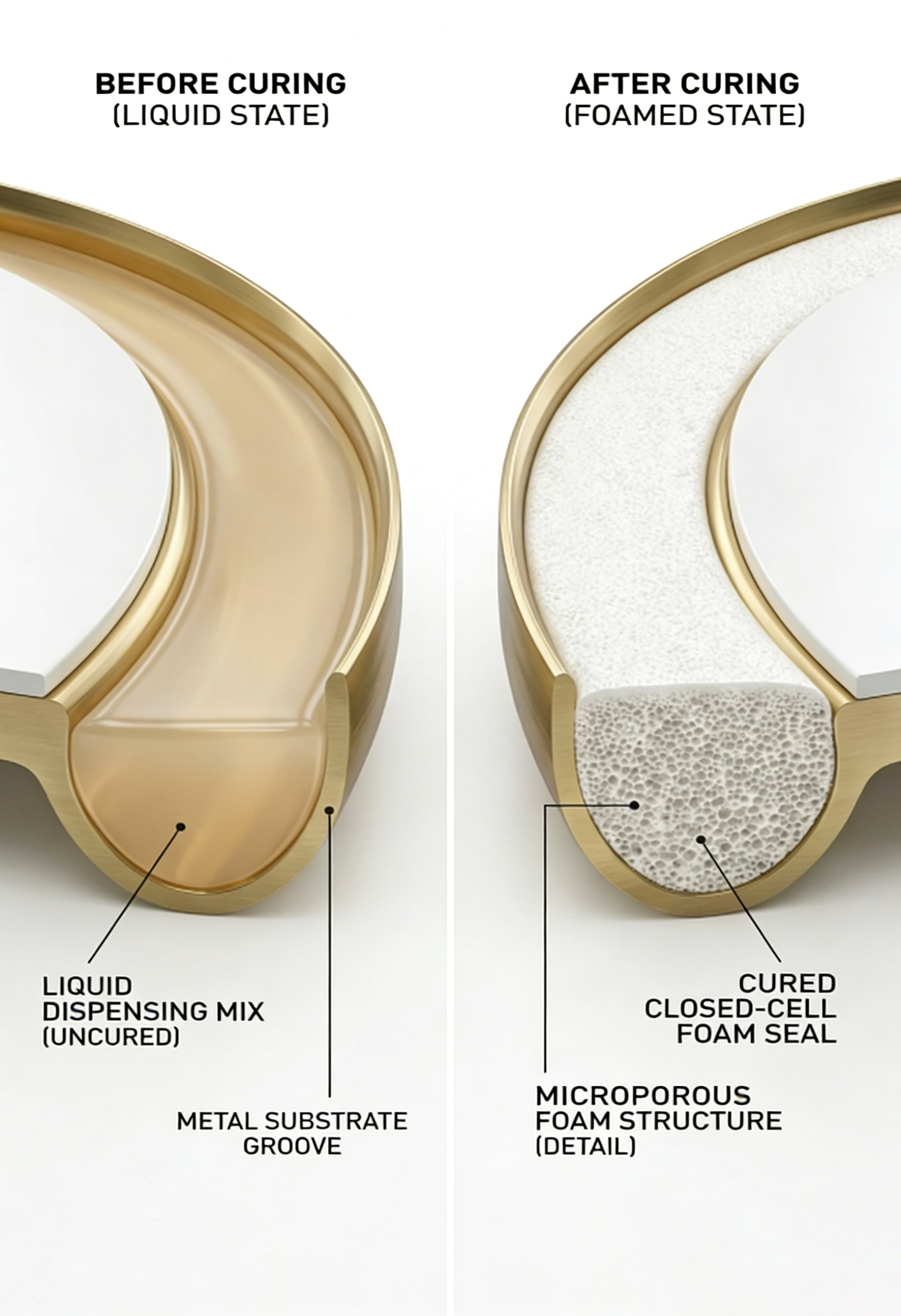
Cellular foam liners offer an unique strategy for manufacturing reliable defenses in aluminum carriers. Unlike regular elastomer stoppers, foam-in-place methods allow for utter adaptation to unique shapes and changing dimensions. This facilitates such perfect for cases where accurate orientation is vital, such as distributing vulnerable objects or sustaining a gas-tight environment. Furthermore, these barriers may be personalized to feature improved properties, like jolt buffering or compound maintenance.
- Delivers a made-to-order seal
- Compatible for complex structures
- Augments container preservation
Electing the Best Liner for Metal Vessels
Properly closing steel boxes demands detailed decision of the right ring. Considerations like ingredient interaction, climate spread, pressure specifications, and element protection are decisive. Customary gasket components consist of engineered compounds, airy materials, and custom man-made composites. Conclusively, connecting the stopper characteristics to the unique function is important for protecting article integrity and preventing seepage.
Grasping Aluminum Box Shutting Liner Ingredients
Brass can fastening liners play a significant role in maintaining product integrity. The choice of suitable substance for these elements is crucial and relies on several considerations. Standard substances include aluminum, often combined with polymer components like polycarbonate. Certain compounds offer notable bendability and fastening traits.
- Steel offers oxidation resistance.
- Polyethylene provide pliability.
- Treatments improve fastening.
Pigment Pail Barrier Handbook: Elements & Employments
Choosing the best washer for your container is crucial for supporting product soundness. The substance of the stopper directly impacts its productivity and endurance. Common methods include plastic, offering good all-purpose sealing against fluid and soft chemicals. For harsh solvents or enduring storage, consider bespoke substances like E.P.D.M., nitrile, or even polysilicone, each providing improved robustness against specific agents. Think about the classification of pigment being contained and the ambient influences when deciding the best liner.
- Elastomer – Satisfactory for typical applications.
- Ethylene-Diene – Great safeguard to solutions.
- Butadiene-Nitrile – Best for hydrocarbon resistance.
- Siloxane Rubber – Excellent warmth persistence.
Perks of Vinyl Copolymer Gaskets on Steel Shields - A Detailed Analysis
Deploying Ethylene-Vinyl Acetate gaskets on copper enclosures presents a host of profits for a multitude of purposes. These gaskets offer superior securing capabilities compared to usual materials. Especially, their inherent flexibility allows them to fit to negligible imperfections in the closure surface, creating a trustworthy seal and paint pail gasket preventing exfiltration of liquids. Unlike some stiff materials, Ethylene Copolymer gaskets are durable to rust, extending their useful life significantly. They also provide notable vibration softening, reducing sound and protecting sensitive units.
- Boosted Shutting Performance
- Remarkable Defense to Erosion
- Phenomenal Vibration Softening
- Extended Longevity
- Adjustable to Face Imperfections
Polyurethane Foam Gaskets vs. Prototypical Can Closure Solutions
For many seasons, fabricators have drawn on usual holder capping methods, based on clinched edges. However, foam-in-place gaskets represent a noteworthy equivalent. This new system adapts directly to the form of the part, guaranteeing a enhanced closure and frequently reducing the risk of exfiltration compared to traditional formats. Furthermore, polyurethane foam can tolerate variable sections that usual metal hermetic methods struggle to.